
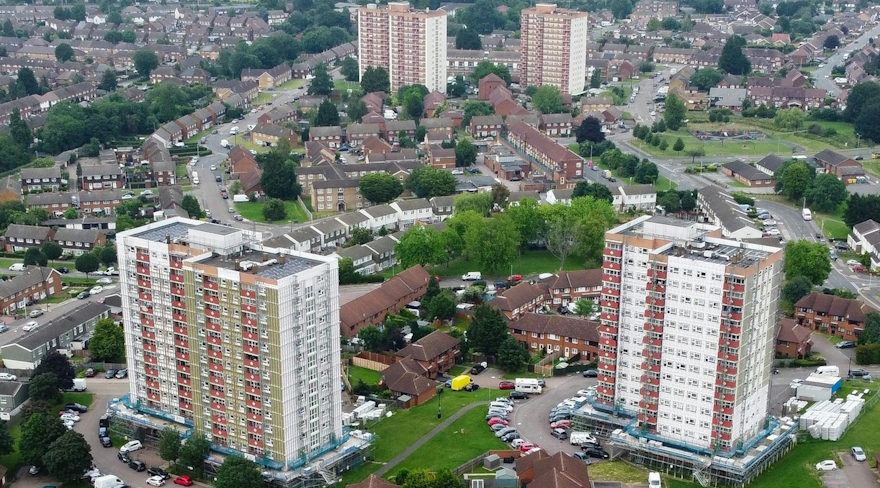
A Guide to Filing Pontefract Housing Disrepair Claims
 Are you dealing with the unpleasant effects of dampness, leakage, or mould in your home? In such circumstances, it’s crucial to consult with legal experts who can guide you through the process of making a housing disrepair claim.
Does the Law Allow Me to File a Housing Disrepair Claim?
It is the legal right of any renter of a building to live in a house that is not only safe and secure but also one without any disrepair concerns likely to put you and your family at health and security risk.
The role of the landlord has been encapsulated in the distinct legal provisions, primarily like the Landlord and Tenant Act (LTA) 1985. Under Section 11 of this Act, landlords are obligated to:
- Uphold the structural integrity of the property, including its exterior and components such as pipes, drains, and gutters.
- Guarantee the proper functioning and maintenance of utilities such as water, gas, electricity, and sanitation within the property.
- Ensure the systems meant for hot water and space heating are in the right working condition and are repaired promptly whenever they are faulty.
When a landlord fails to properly maintain a property’s structure and exterior, it is considered to be in “disrepair”. The state of disrepair can also affect key services and utilities in the building, including electricity, gas, or water supply.
A claim against a landlord is primarily intended to ensure that necessary repairs are carried out without delay, providing you with a safe and habitable living space. Keep in mind that you can no longer file a claim if you’re planning to move out or if the landlord has already rectified the problem.
[Service Area=”Disrepair” Neighbouring areas, up to=”8″] Pontefract
Eligibility for financial compensation in housing disrepair cases hinges on the landlord’s failure to address significant issues within a reasonable timeframe, leading to prolonged hardship, inconvenience, or even health problems for tenants.
You may be entitled to financial compensation if your landlord is neglecting their duty to provide a safe and habitable home. Act promptly, though, because once the landlord resolves the issue or you vacate the property, you lose the right to claim compensation.
Understanding Housing Disrepair Claims
All landlords, including private owners, councils, and housing associations, have a legal duty to provide safe, secure, and well-maintained properties for their tenants. Tenants may have grounds to file a claim if their landlord fails to uphold these responsibilities, leading to unsafe or unhealthy living conditions.
TO GET IN TOUCH
The Homes (Fitness for Human Habitation) Act 2019 reinforced the rights of tenants, enabling them to pursue legal recourse against landlords who fail to maintain their properties to a habitable standard. Under this Act, landlords are legally obligated to provide a safe and healthy living environment for their tenants.
Should you find yourself living in a property with disrepair issues that your landlord has been made aware of, you might be eligible to pursue legal action through a housing disrepair claim. A successful claim can result in financial compensation and force your landlord to carry out the necessary repairs to make your home safe and habitable.